While the amount of people with Prader-Willi syndrome is relatively low, the idea of strength in numbers can actually be quite critical for their success.
Nearly a decade ago, Northeast Arc created a safe space for those living with this rare genetic condition. Five individuals with Prader-Willi syndrome (PWS) are grouped together at an adult residential home on Thaxton Road in Beverly, with specific staff interventions to assist them. The condition is characterized by low muscle tone, developmental delays, behavioral challenges and hyperphagia, which is a sense of constant hunger. People with PWS want to eat all the time because they never feel full and, as a result, they usually find it hard to manage their weight.
“The key component to staffing a safe group home like this is being aware of their dietary needs,” said Residential Supervisor Bethany Connor. “We maintain a locked kitchen, monitor calories and weight and create consistent eating routines. If there’s no food confusion, there’s less food anxiety. The point is not to be restrictive, but supportive.”
“There’s a fairness across the board,” said Program Director Chad Condon. “They all get the same meals and have the same rules. And if we go out in the community, we’ll plan meals and give them a pep talk and rundown before we go. They’re very receptive and understanding.”
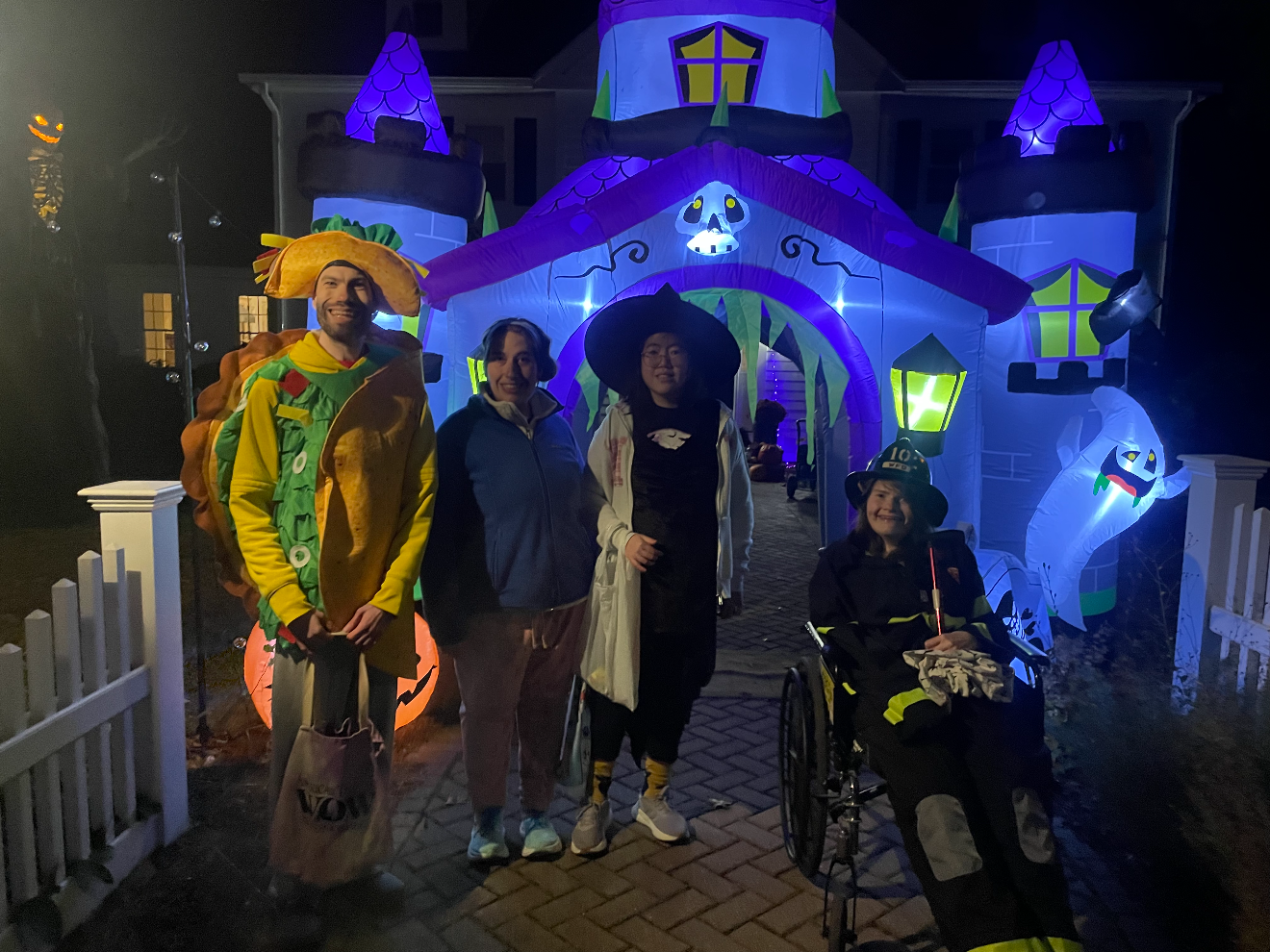
Clinical Director Helena Whitlow-Stanzione, who started with Residential Services in January, agrees that having a structured environment is important. One of the strengths of the program, she says, is that it is set up with very strong training components for staff to support residents across settings.
“This was my first exposure to supporting people with PWS, so I really had to dive deep into my research, getting into behavior management,” she said. “A lot of the staff there has known the program since it opened, and they know the protocols and the de-escalation strategies. There’s also a good deal of collaboration, not only with their families, but throughout the organization, including with their day programs.”
In addition to in-house training, Northeast Arc has also provided opportunities for staff to attend a number of PWS conferences throughout the country. One parent, Mary Raymond, is president of the Prader-Willi Syndrome Association of New England, which hosted a local conference on November 14.
“PWS is a small-knit community, so for families to have that connection and for staff to gain more knowledge, it’s really helpful to be able to go to these events,” said Whitlow-Stanzione.
“They’ve been incredibly valuable from a networking perspective and just learning about how to better advocate for those with PWS,” said Connor.